Orbit 57
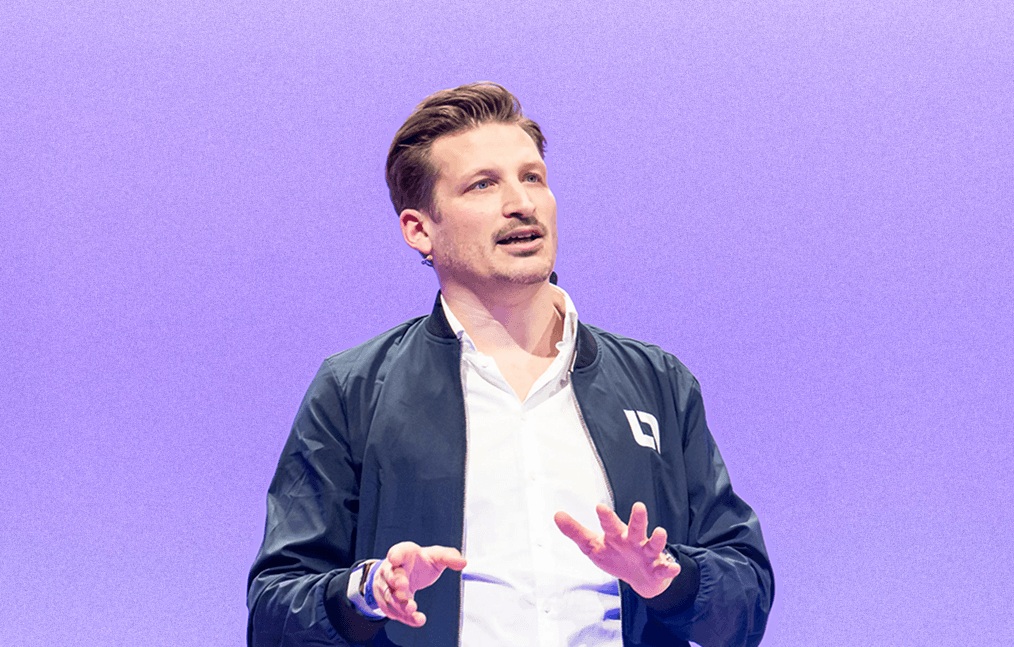
In this rare internal conversation, Matthew Brockman, Hg's Chief Investment Officer, offers an insider's view on what's actually working versus what's still hype. Far beyond speculation, this is private equity deploying real capital into real companies with real customers, watching what happens when agentic software meets regulatory compliance and established workflows. Brockman reveals why vibe coding is being used in sales processes but not production, why venture money is subsidising inference costs that must eventually turn into labour market economics, and his "virtual Matthew" Turing test for when we've truly reached AGI. From Hg's Catalyst program - parachuting developers into portfolio companies at Hg's expense to accelerate AI product builds - to standing up in Silicon Valley urging CEOs to invest and move quickly, this conversation cuts through the noise with data, deployment examples, and the hard economics of building enterprise AI that actually ships. Essential listening for anyone trying to separate signal from hype in February 2026
Inside the episode
- Vibe coding is already being used inside Hg portfolio companies for sales processes and internal tools, but not yet in production. The gap between prototype and production-grade enterprise software remains the critical commercial frontier.
- Venture capital is subsidising inference costs that must eventually translate into real labour market economics. The current AI hype cycle is masking the true cost structure, and enterprise buyers will eventually demand that the maths works at scale.
- Hg’s Catalyst programme parachutes developers into portfolio companies at Hg’s own expense to accelerate AI product builds. It is a hands-on approach that goes beyond capital deployment to directly shape what gets shipped and how fast.
- Brockman’s personal Turing test for AGI: a ‘virtual Matthew’ that could replicate his investment judgement. Until that exists, the real opportunity is in the messy, workflow-specific application layer where pattern recognition and customer intimacy still compound over time.
Transcript

David Toms
Welcome to Orbit, the Hg podcast series where we talk to leaders and hear how they've built some of the most successful technology companies in the world. I'm David Toms, Head of Research at Hg, and in this special episode, I'll be interviewing Hg's Chief Investment Officer Matthew Brockman to talk about the future of software in an AI world.
Matthew, we're sitting here in February 2026, mid-February 2026 because days seem to matter now in the public markets. What's going on in software?

Matthew Brockman
Lead in with the big question. I mean, we can talk about what's happening in technology, and we could talk about what's happening in the markets that obviously value software. Maybe if I start with the latter, because that seems to be the most sort of immediate topic.
I think you're at an interesting confluence between the sort of sustained momentum of the model providers and the sense of IPO model providers, and some of the applications have been built on the basis of that technology and a real sort of sense of excitement about what the potential will be. I would characterise it as that. I mean, it's evident in some areas like coding and so on, but there's a lot of areas in application where it's still coming, frankly, versus what's been achieved versus the counterfactual for existing SaaS, where people are looking to see what the reaction is going to be like, what AI products are going to get built?
And that at the moment is sort of almost a bit of an unproven sort of negative, you know, how do I know something which I haven't yet evidenced? So you've got this sort of sharp sell-off, frankly, in the public markets for existing software, complemented with continued excitement, perhaps peak excitement, dare I say, for sort of, you know, what the model capability is and where that's going to influence, you know, enterprise software in particular over the long term.